Case Study: SmartTensor Software Suite
Client: Los Alamos National Laboratory
Role: SEO/UX Strategist · Content Architect · Technical Copywriter
Tools: SEMrush, Google Analytics, Google Console, Site Improve, Figma CRM

Client: Los Alamos National Laboratory
Role: SEO/UX Strategist · Content Architect · Technical Copywriter
Tools: SEMrush, Google Analytics, Google Console, Site Improve, Figma CRM
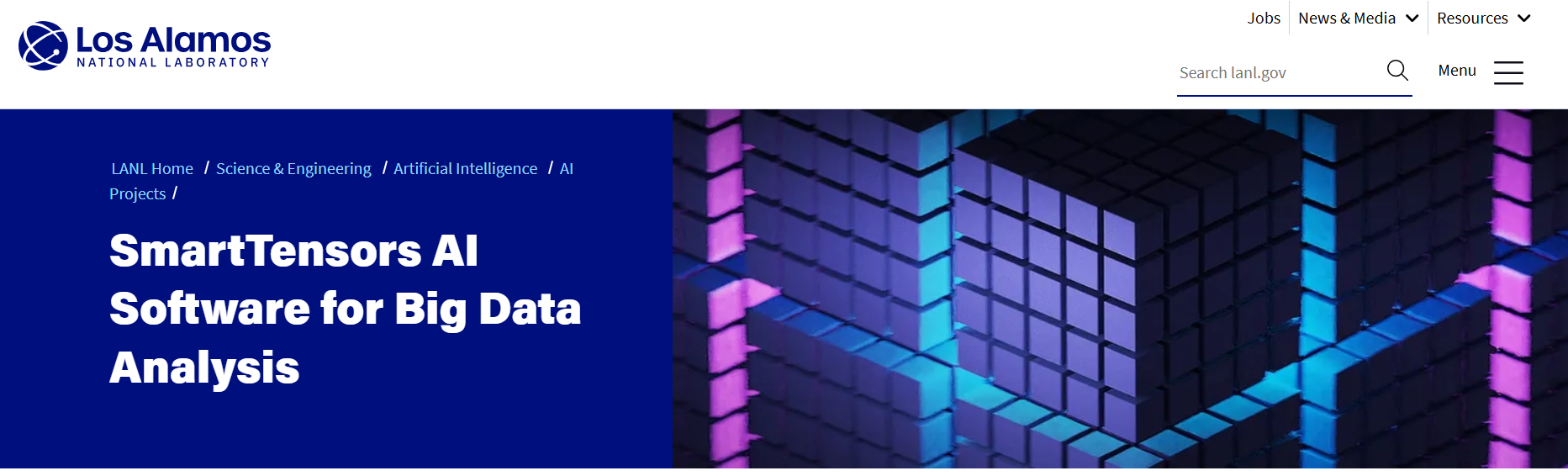
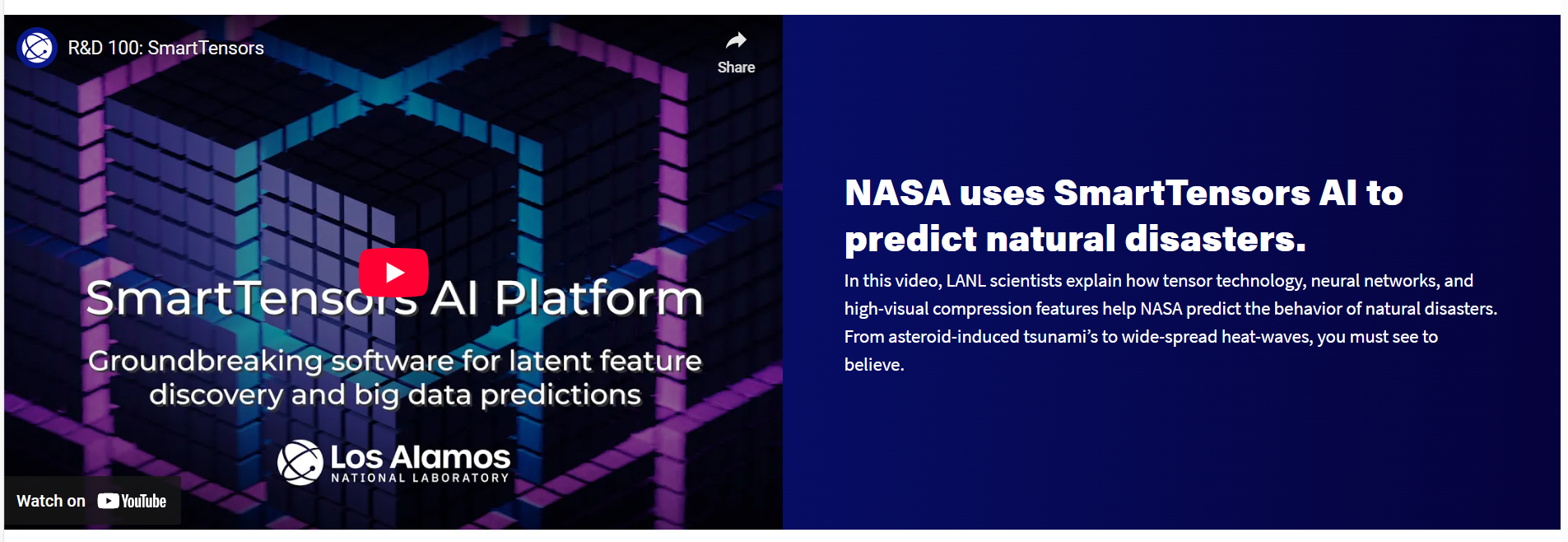
Los Alamos National Laboratory is a global leader in advanced AI research supporting U.S. energy innovation and national security. In 2022, the team received an R&D Award for the SmartTensor software suite—a breakthrough platform that applies neural networks to discover, analyze, and organize complex data.

When the SmartTensor software suite launched, its capabilities were largely understood only by researchers closest to the work. I worked from limited inputs to identify the software’s core capabilities and translate them into a clear, structured page – discoverable for stakeholders beyond the immediate research team.


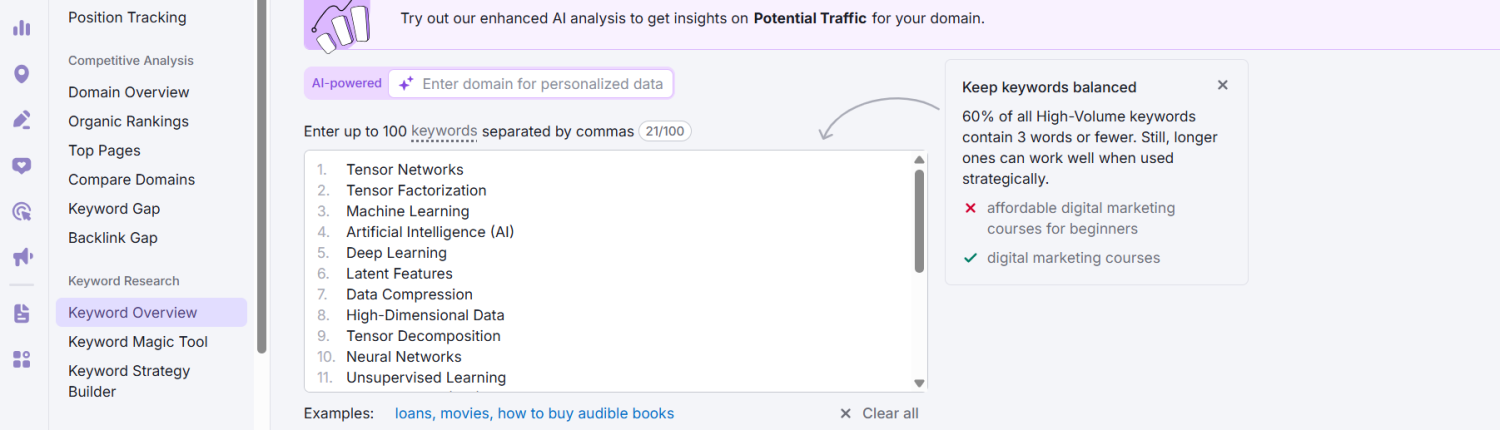
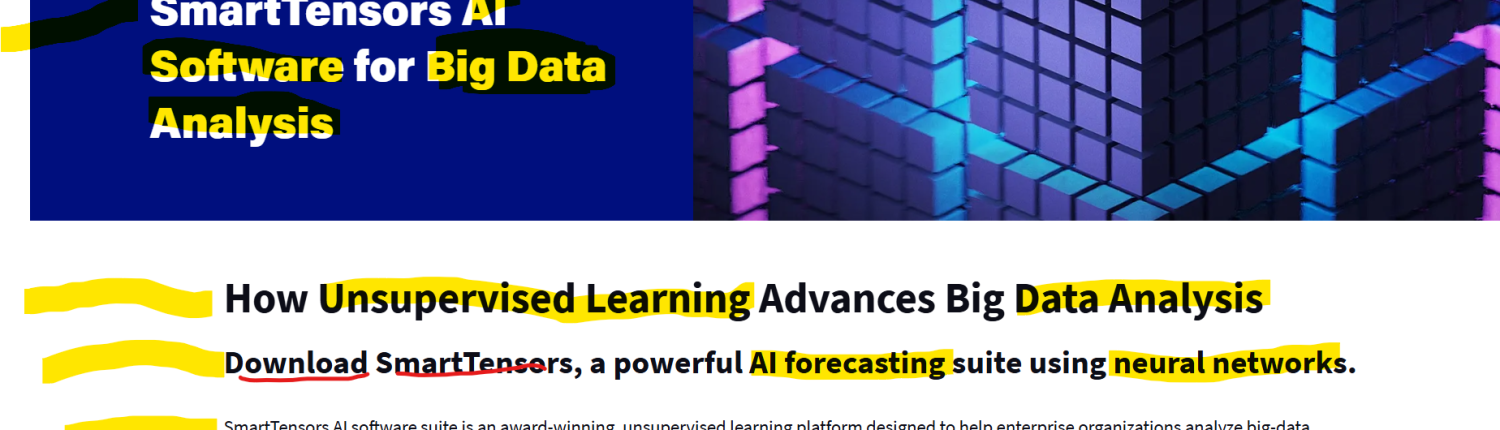
I designed the keyword strategy to reflect real search behavior across internal, external, and developer audiences. Each term was selected to reinforce discoverability while accurately representing how the software is used and evaluated in practice.
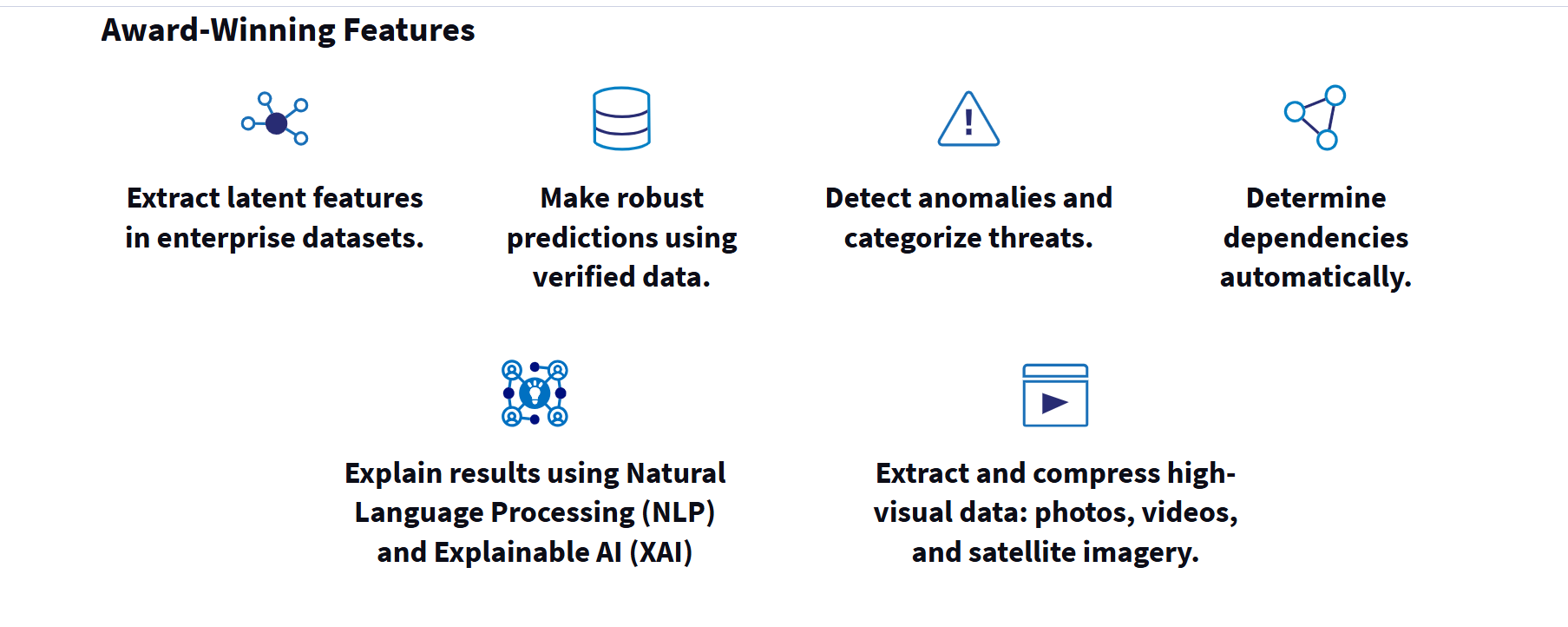
There was no clear feature list or product narrative, so I had to analyze research materials and technical documentation to identify the capabilities that would resonate with end users. Once those features were defined, I structured and presented them in a way that made complex, award-winning research understandable, scannable, and discoverable.
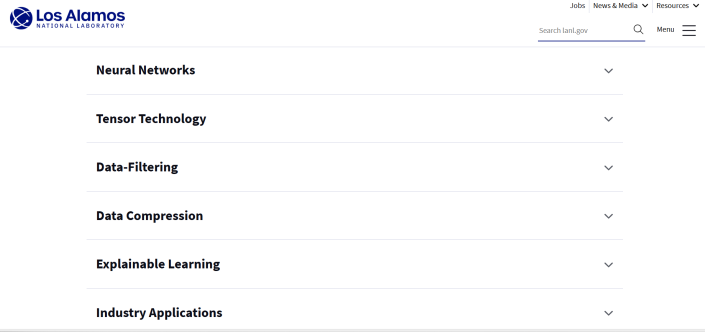
I used accordion components to separate and highlight key features and keyword topics, allowing users to scan complex information without being overwhelmed by long-form copy. This approach improved readability while keeping advanced technical detail accessible when needed.
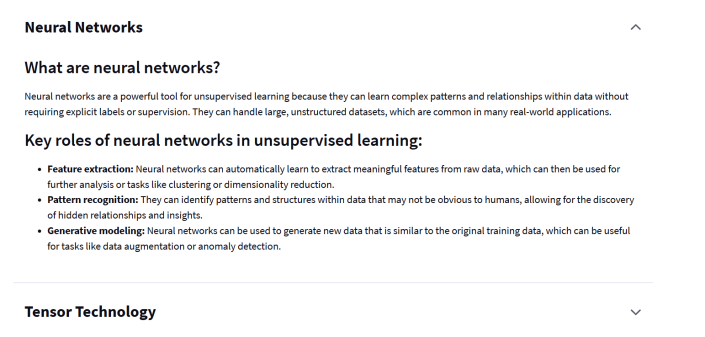
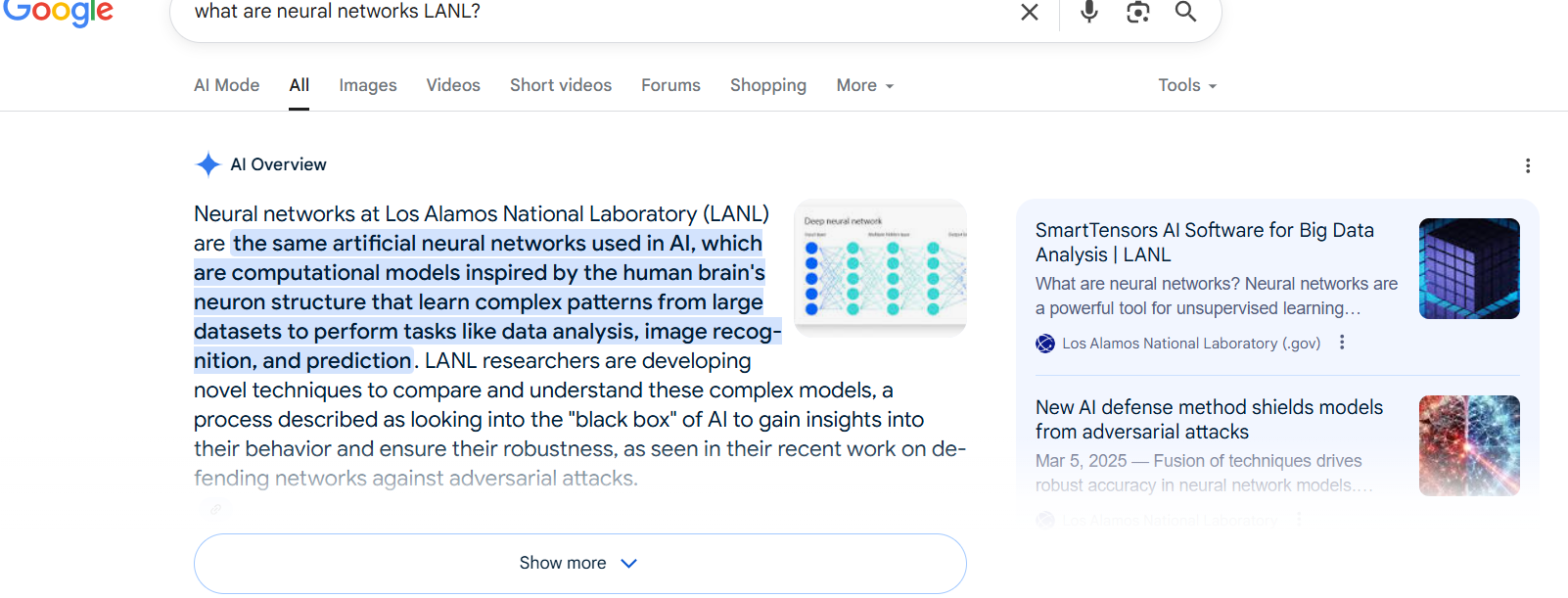
After the page was published, the content began appearing in generative AI search results. When searching “What is a neural network LANL?”, the AI-generated response surfaced and cited information directly from this page.
Although the case study is not exclusively focused on neural networks, adding LANL clarified intent and demonstrated how structured content helps AI systems retrieve the correct context. The generated response mirrors language and definitions used in the accordion sections above—showing that clearly structured topics and feature descriptions can influence how AI search tools interpret, synthesize, and cite content.
UX and SEO are translation layers between complex systems and real-world users. By combining research, strategy, and content architecture, I turned incomplete, high-friction material into a durable, high-performing, AI-friendly asset.

© 2026 Rachael Hall Creative | All Rights Reserved | Privacy Policy

 Enterprise Website Relaunch
Scroll to top
Enterprise Website Relaunch
Scroll to top